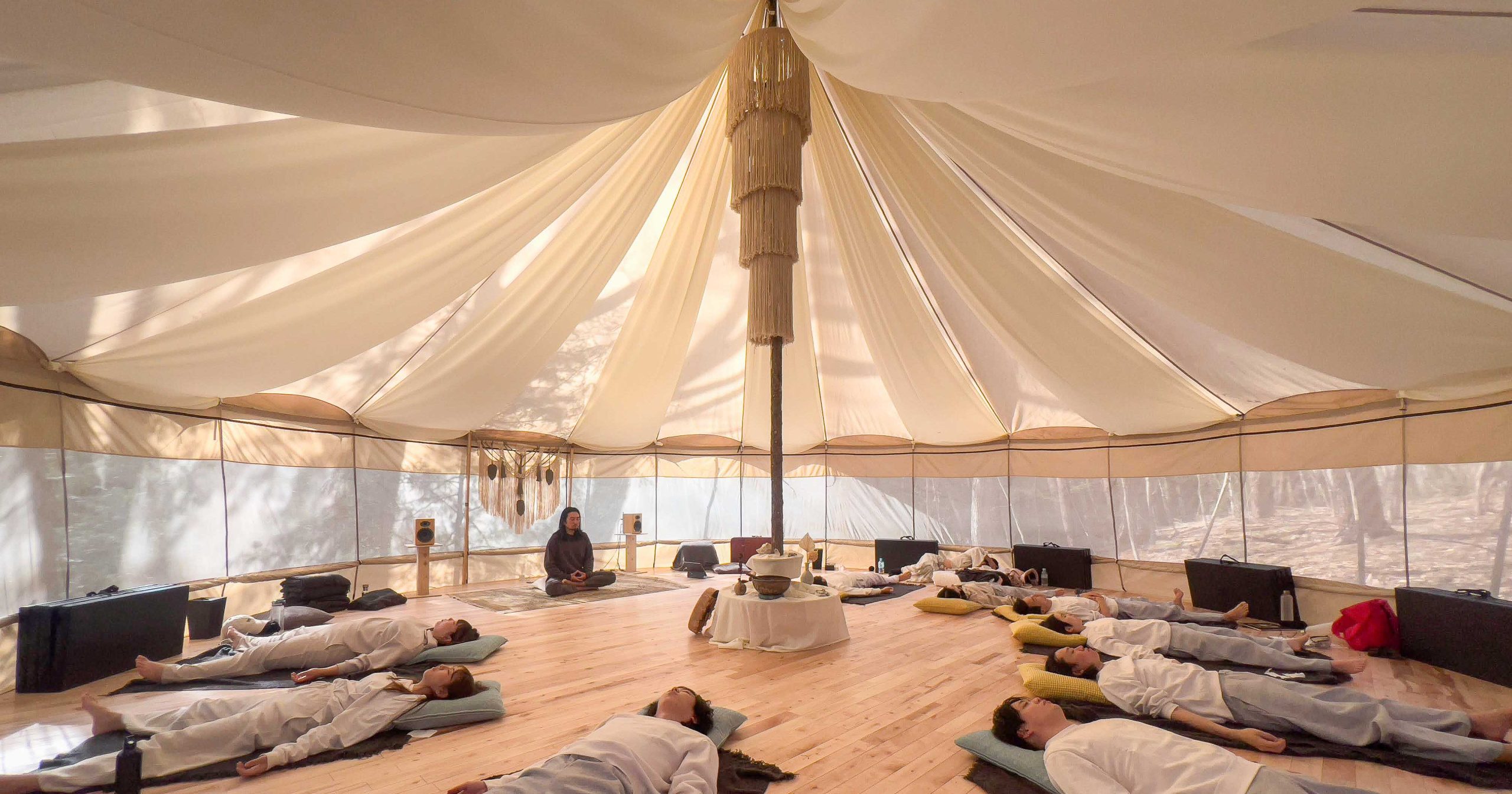


Harnessing the Power of Sound and Breath
Have you ever felt a sudden thrill while listening to music, a moment when emotions surge and something deep within is touched? This isn’t just a fleeting sensation—it might be a sign of deep transformation sparked by the interplay of music and breath.
How does this combination promote self-transformation, and when do we experience it? Picture a late night, headphones on, breathing deeply as your favorite song plays. The stress of the day melts away, leaving a sense of expansive calm. The sound waves from music and the increased oxygen from deep breathing can alter brain chemistry, creating a soothing state of relaxation.
What is Music Breathing?
Music Breathing (MB) is an approach that blends music with breathing to foster emotional growth and self-regulation. Music stirs emotions, while breath heightens bodily awareness and balances the autonomic nervous system. This method is said to stabilize heart rates and lower stress hormones, harmonizing mind and body as music rhythm syncs with breath.
- Role of Music: Catalyzes emotional exploration and self-regulation. Melodies and rhythms can evoke specific feelings.
- Role of Breathing: Enhances physical awareness and autonomic regulation. Deep, regular breathing activates the parasympathetic system, promoting relaxation.
Imagine relaxing in a café in the afternoon, listening to your favorite playlist. Your heart might feel open and soft, a testament to the tranquil synergy of music and breath—the essence of Music Breathing.
The Thrill of Music
Have you ever experienced a “thrill” while listening to music? This phenomenon occurs as music traverses the auditory pathways to the brain, triggering the release of neurotransmitters like dopamine. The acoustic qualities of music, the listening environment, and personal sensitivity amplify this sensation.
Think of a movie climax, where the music stirs your heart and brings tears to your eyes. This deep emotional connection might stem from music’s emotional power coupled with the relaxation from controlled breathing, creating profound impact.
Breathing Variations and Anxiety Before and After Performance

Research on music students has shown variations in breathing patterns, sighing, and anxiety before and after performances. Psychological stress often manifests physically—consider the shallower breaths before a critical presentation.
- Before Performance: Anxiety increases, breaths shorten. The autonomic system enters “fight or flight,” raising heart rates.
- After Performance: Anxiety eases, breathing stabilizes. The parasympathetic system prevails, fostering relaxation.
I recall my own nervousness before a first speaking event, which eased as I consciously deepened my breath. It’s an example of how breath can balance the autonomic system, grounding the mind and body.
Synchronizing Breath and Music Rhythm

Aligning breath with music rhythm can create novel musical experiences. This synchronization adjusts music tempo to match breathing, useful in music therapy for fostering mind-body integration.
While on a morning walk, have you noticed how your favorite song aligns with your steps, enhancing your enjoyment? This may result from natural rhythm-breath synchronization, known to influence heart rate and blood pressure.
POINT
Synchronizing breath with music rhythm deepens musical experiences, promoting inner calm and is effective for reducing anxiety and stress.
Resonance Frequency Breathing in Music Therapy

Combining resonance frequency breathing with music therapy reportedly enhances care outcomes. This breathing technique maximizes heart rate variability, promoting relaxation and emotional regulation. It’s used to manage stress and enhance emotional resilience, resonating with music to induce deep relaxation.
After a stressful day, have you ever felt refreshed by breathing deeply to soothing music? Here, the healing power of music and the physiological effects of breath synergize to aid recovery. Resonance frequency breathing elevates music’s healing power, helping restore emotional balance.
What About You?
We’ve explored how music and breath can facilitate self-transformation. What music or breathing practices resonate with you? By tapping into the power of music and breath, you can more effectively manage stress and emotions in daily life.
Even with everyday stresses, combining music and breath can be a helpful strategy. Create a relaxation playlist and practice breathing techniques in a quiet setting to restore peace.
At nehan retreats, we use sound resonance and breath guidance to access the subconscious and unlock emotional blocks. If you’re interested, consider joining our free online course.
FREE PROGRAM
A doorway to seeing your life anew — through the body
Add us on LINE to receive the free online lessons — the parts we couldn’t fit into this article.
Free to join, unsubscribe anytime. This is not medical treatment; results vary by individual.
References
- Lee, J., Ridder, H. M., & Lindvang, C. (2025). “Expanding the Music Breathing method: Integrating breath, music, and narratives for emotional growth.” *The Arts in Psychotherapy*, 96, 102377.
- Mori, K., & Iwanaga, M. (2014). “Music-induced chills as a strong emotional experience.” *The Japanese Journal of Psychology*, 85(5), 495-509.
- Brabant, O., & Erkkilä, J. (2018). “Enhancing improvisational music therapy through the addition of resonance frequency breathing: Common findings of three single-case experimental studies.” *Music Therapy Perspectives*, 36(2), 224-233.
- 佐藤尚, 大須賀美恵子, 守谷健弘. (2011). “呼吸とリズムを合わせる音楽呈示の可能性-呼吸とフレーズの位相関係の違いの効果-.” *研究報告音楽情報科学(MUS)*, 2011(2), 1-4.
- 重川敬三. (2004). “受動音楽による呼吸変動とリラックス感について.” *秋田赤十字短期大学紀要*, 8, 47-51.
*Note: This article is not medical advice. Individual results may vary.*