

The Pain of Not Speaking Your Truth
Why is it so painful when we can’t express our true feelings? Most of us have been there: unable to voice a dissenting opinion in a meeting, or hesitant to share our true feelings with a friend. I, too, have had countless moments where I couldn’t speak up, only to stew in frustration later. Why is speaking our truth so hard?
This struggle often stems from self-concealment, social anxiety, and strategies to avoid expressing our opinions. But what specific mechanisms are at play here?
Why We Struggle to Speak Our Truth
Self-Concealment and Guilt

Self-concealment refers to a tendency to hide one’s true feelings from others, often leading to feelings of guilt. I’ve realized through experiences like horseback rides in nature that there are moments when we feel free from the judgment of others. A friend of mine, for example, became so preoccupied with workplace evaluations that he avoided sharing his real opinions with colleagues, leading to suppressed feelings and increased stress.
- Those who self-conceal often oscillate between the desire to be seen and the fear of negative outcomes.
- This internal conflict can breed guilt.
Barriers to Emotional Expression

Barriers to expressing emotions include self-protection and concern for others. Take, for instance, the fear of upsetting a boss by voicing dissatisfaction—such fears often lead us to suppress our feelings, causing frustration to accumulate.
In one company, employees hesitated to communicate their doubts about management’s directives, fearing repercussions. This self-protection and concern for others can hinder emotional expression and negatively affect overall organizational communication.
- Self-protection and concern for others block emotional expression.
- The difficulty of expression varies with emotion—anger, sadness, joy.
POINT
The core issue in not speaking one’s truth often lies in the fear of negative consequences.
Shame and Emotional Withholding

Feeling shame can make it even harder to share emotions, potentially leading to emotional isolation. I, too, have withheld emotions for fear of failure. But during my time with the Wixárika people, realizing our shared humanity helped me see the value in revealing my true self.
Studies show that suppressing emotions in moments of shame can lead to long-term stress and anxiety. For example, you might find temporary comfort in hiding differing opinions at social gatherings, but this can deepen feelings of isolation over time.
- Shame promotes emotional withholding, leading to isolation.
Social Anxiety and the Blurring of Self-Concept

When social anxiety intensifies, self-concept clarity tends to blur. This often results in conforming to others and engaging in inauthentic self-disclosure. I’ve tried to counteract this by expressing myself through photography, a medium that doesn’t lie.
Consider the adaptation period in a new workplace—social anxiety can rise, prompting us to hide our truth and align with others’ expectations. This, in turn, clouds our understanding of what we truly want, further muddying our self-concept.
- Social anxiety blurs self-concept, leading to inauthentic self-disclosure.
Opinion Expression Avoidance and the Spiral of Silence

Faced with opposing views, people often avoid expressing their opinions, creating a “spiral of silence” that makes self-expression increasingly difficult. I’ve been caught in this spiral, but found change when I bravely spoke up.
In a project team, the members hesitated to question the leader’s direction, resulting in project delays. This silence became the norm, ultimately harming team performance.
- In conflicts, people may choose silence, feigning indifference.
Limits of Self-Help
Trying to handle things alone can lead to self-suppression.
Temporary Relief
Voicing your truth once might not solve the root problem.
Perpetual Problem-Solving
Constantly trying to solve this can heighten self-denial.
Reclaiming Your Voice
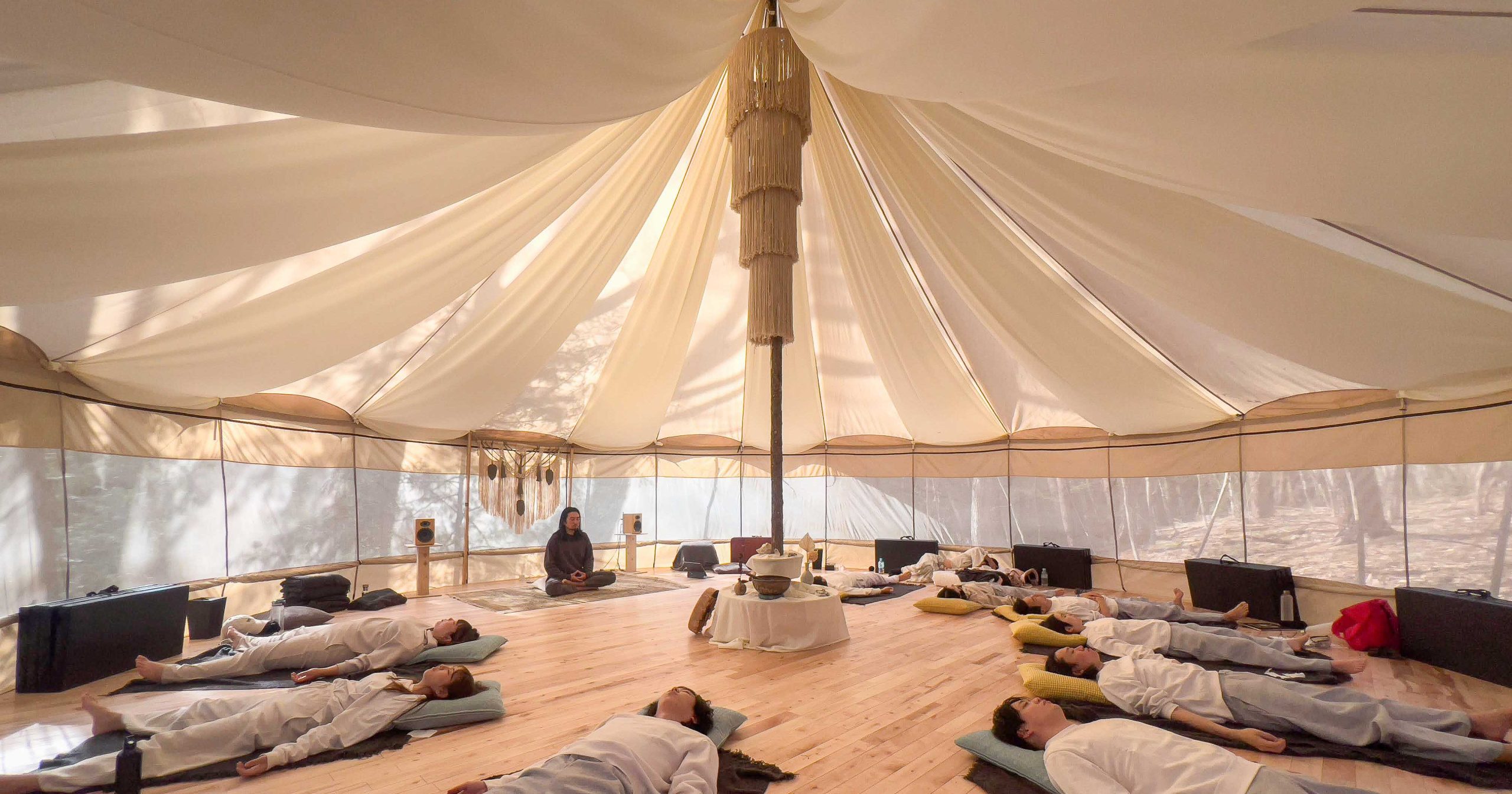
At nehan’s retreats, we foster a space for rediscovering self-concept and emotional release. This journey begins by gently easing the mind and body, allowing you to touch deeper layers of yourself. The insights you gain can then be integrated into daily life, fostering ongoing dialogue with your authentic self.
For instance, one participant found that by easing tensions, they could finally voice long-held workplace grievances, leading to improved communication and performance.
- Ease mind and body tension
- Gently explore deeper layers
- Bring insights into daily life
Through this journey, you can cultivate the capacity to express your truth safely. If this resonates with you, explore our free online course to experience the process.
FAQ
Q: I’m afraid to speak my truth. What can I do? A: Start small by practicing with someone you trust.
Q: Why do I feel guilty speaking my truth? A: Strong self-concealment tendencies can make you feel guilty about withholding secrets.
FREE PROGRAM
A doorway to seeing your life anew — through the body
Add us on LINE to receive the free online lessons — the parts we couldn’t fit into this article.
Free to join, unsubscribe anytime. This is not medical treatment; results vary by individual.
—
*This article is not medical advice. Individual results may vary.*
FREE PROGRAM
A doorway to seeing your life anew — through the body
Add us on LINE to receive the free online lessons — the parts we couldn’t fit into this article.
Free to join, unsubscribe anytime. This is not medical treatment; results vary by individual.
Sources and References
- Davis, C. G. (2024). Self-concealment, secrecy, and guilt. *Journal of Personality*, 92, 421–435.
- Yamamoto, K., Yogo, M., & Suzuki, N. (2004). Intra- and interpersonal factors inhibiting the disclosure of emotional episodes. *Japanese Journal of Research on Emotions*, 11(2), 73-81.
- MacDonald, J., & Morley, I. (2001). Shame and non-disclosure: A study of the emotional isolation of people referred for psychotherapy. *British Journal of Medical Psychology*, 74(1), 1-21.
- Orr, E. M. J., & Moscovitch, D. A. (2015). Blending in at the cost of losing oneself: Dishonest self-disclosure erodes self-concept clarity in social anxiety. *Journal of Experimental Psychopathology*, 6(3), 278-296.
- Hayes, A. F. (2007). Exploring the forms of self-censorship: On the spiral of silence and the use of opinion expression avoidance strategies. *Journal of Communication*, 57(4), 785–802.