


Key points of this article
- A parent’s illness made you start thinking about death. But all you feel is fear, and you can’t move forward. This is common, and the fear itself is not a mistake.
- A view of life and death (*shiseikan* in Japanese) is your stance on how you see death and how you spend the time you have left. It is not about picking the correct answer from religion or philosophy.
- When you stop asking about “dying” and ask “how do I spend the time until then,” the shape of your own view starts to appear. This article also compares where to turn and how to judge a retreat.
What does “a view of life and death” actually mean?
Is a view of life and death knowledge, or something else?
A view of life and death is simply how you see living and dying. It is not knowledge. It is the ground you stand on when you live. In Japanese there are two near-identical terms, *seishikan* (life-death) and *shiseikan* (death-life), and the version that puts death first is the one that stuck.
There is also an academic field, death studies, that looks at life by looking at death. The whole thing sounds like it’s about death, doesn’t it? But most of the content is about living.
When does a view of life and death begin?
It begins earlier than you’d think. You’re washing dishes, and the thought drifts in: “How many more meals will I eat with my parents?” At that moment, your view of life and death is already moving.
You don’t need a book or a belief system to have one. You only need to have noticed, once, that the time is finite. Most people who say “I don’t have a philosophy about death” already have the beginnings of one. They just haven’t put it into words.
What is distinctive about the Japanese view of life and death?
Can you have a view of death without a strong religion?
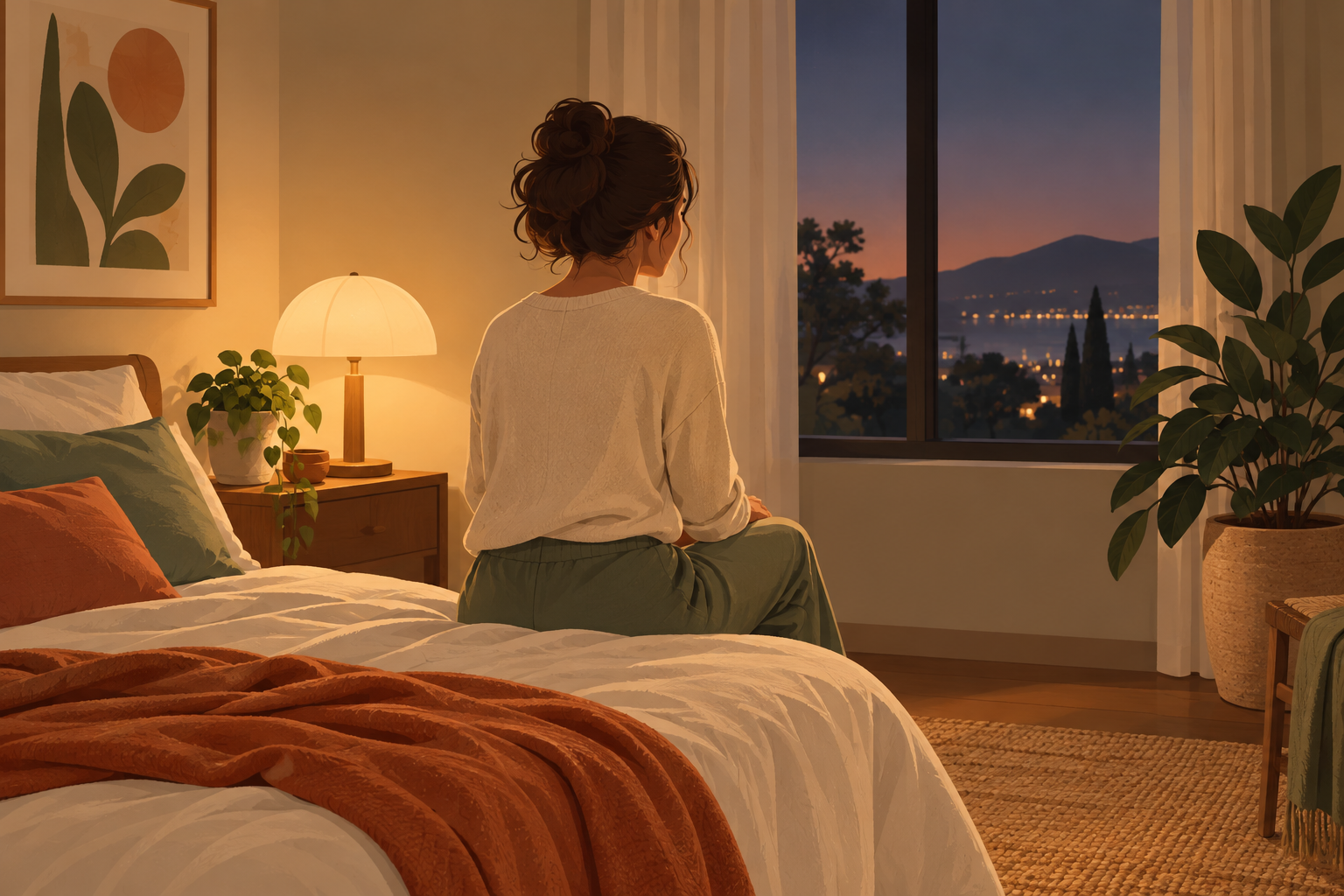
Many people in Japan don’t hold a specific religion strongly. Even so, the line between life and death is soft, as you can see in Obon or in memorial services.
Underneath sits a sense of impermanence and a felt connection to ancestors.
This feels different from the Christian idea of a judgment after death. The judgment model draws a line at what lies “beyond” death. The Japanese model moves back and forth between this world and the other.
Neither is correct. They are material for asking which one you are closer to.
How do I tell which model I’m closer to?
Here is a plain test. You put your hands together at the family altar, and without deciding to, you find yourself talking to someone. If that sounds familiar, your underlying view may be closer to the Japanese type.
If, instead, your worry is about what happens to “you” after the last breath, you may be closer to the judgment type. Both are fine. What matters is knowing which questions actually belong to you.
The Zen perspective on this is written up in What is Zen.
Thinking about death only makes me afraid, and I can’t move forward. Should I stop thinking about it?
Is it wrong to be afraid of death?
Fear is natural, and you don’t need to stop thinking. The problem is that “death itself” is a question with no answer. Keep circling it and you’ll go round and round.
You probably know the scene. It’s the middle of the night, you’re in bed, and “I’m going to die someday too” won’t stop. That isn’t thinking. It’s the same lap, over and over.
How do I get out of the loop?
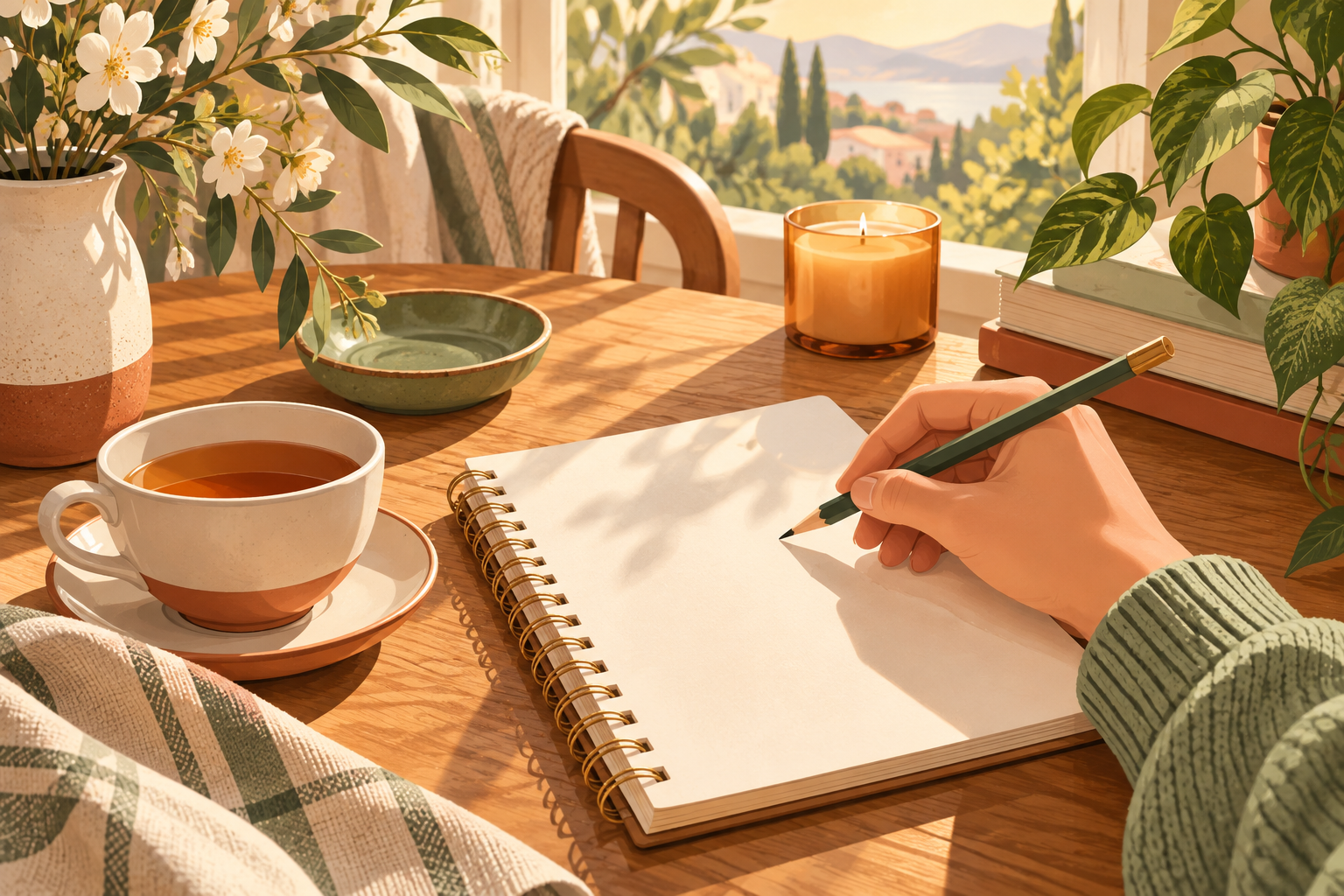
The way out is to change the direction of the question. Not “what about dying,” but “how do I spend the time until then.” The fear may not disappear.
But for some people, “I’m afraid of dying” slowly turns into “there are things I still haven’t said to my parents.”
That is a different kind of fear. It has a place to go. As I wrote in What emptiness really is, not rushing the answer is the shortest route.
- Thinking about death itselfAn unanswerable question tends to deepen anxiety
- Running the same lapThe stronger the anxiety, the easier it is to return to the same question
- Changing the question’s directionSwitch to "how do I spend the time"
- For some, the fear changes in quality"Things I haven’t said yet" come into view
FREE PROGRAM
A doorway to seeing your life anew — through the body
Add us on LINE to receive the free online lessons — the parts we couldn’t fit into this article.
Free to join, unsubscribe anytime. This is not medical treatment; results vary by individual.
Is there something I can do today to find my own view of life and death?
What are the three questions?
There are three. Writing them on paper, or just observing for a few minutes, is enough.
- “If I had one year left, what would I stop doing?” (Not what would I start.)
- “If I recall a close person’s death or illness without judging it good or bad, what remains?”
- “When I think about death, where does my body tighten?”
You don’t need to answer all three at once. One is fine. The point is to look, not to conclude.
Why does the third question use the body instead of the head?
The third question uses bodily sensation, not only thought, as a clue. Say “death” silently to yourself. Some people feel their throat close. Others feel the pit of the stomach go hard.
Don’t name it. Just end with “ah, it’s tight here.” Some people find that this alone shifts the fear from a fog over the whole body into a sensation with a location.
A fear that has a place is something you can sit next to.
POINT
“What to stop” rather than “what to start.” When people take the remaining time as a given, many become more honest about subtracting than adding. The key points of happiness philosophy approaches the same question from another angle.
Thinking alone, talking to a professional, joining a retreat. Which is right for me?
What are the three options, and who are they for?
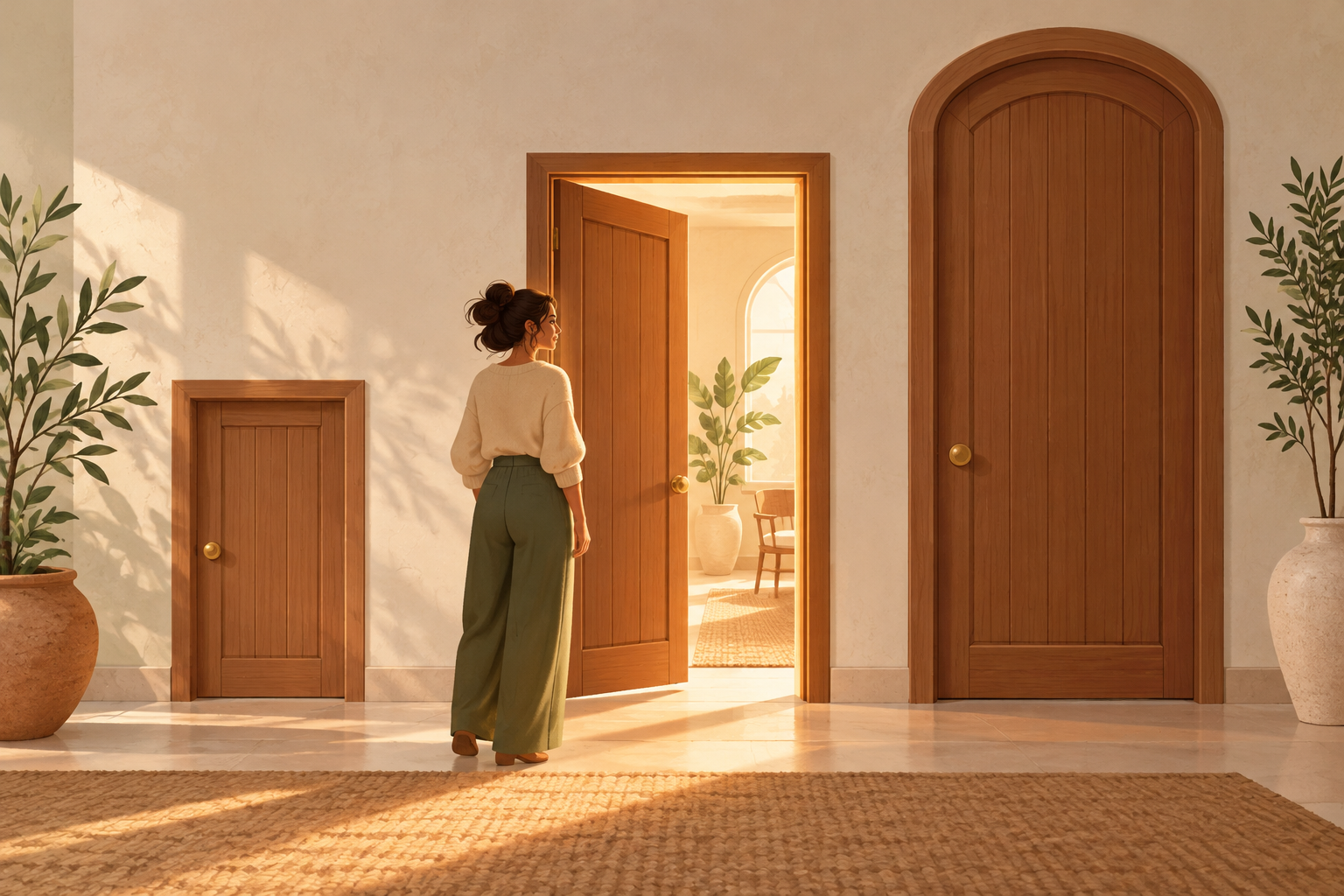
Thinking on your own suits people whose health is stable and who want to sort things out alone first. The risk is that it turns into circling.
Talking to a professional, whether a doctor, a counselor, or a Buddhist priest, suits people whose daily life is affected, such as fear that keeps them from sleeping. The note here: go early, and don’t carry it alone.
Joining a place, such as a Naikan introspection program, zazen, or a retreat, suits people who have exhausted books and thinking and hit a dead end. The caution is to check the organizer’s background and the safety setup.
What if a parent’s illness or care is behind this?
If a parent’s illness or caregiving is the background, you can also use the consultation desk at their hospital or palliative care support services. And if there are nights when you feel you want to disappear, please call a public helpline first.
In Japan, that includes Inochi no Denwa and the Yorisoi Hotline (0120-279-338).
How do I know which stage I’m at?
This isn’t a ranking. It’s a question of where you are right now. If it takes you a long time to get out of bed in the morning, don’t hesitate: a professional comes first.
If you’ve read book after book and still return to the same spot every night, you may be at the stage where a place is worth considering. Neither answer is better than the other. They are answers to different situations.
I feel like I understand after reading a book, but once I’m back in daily life I forget. What about people who can’t hold onto it alone?
Why does what I read fade so fast?
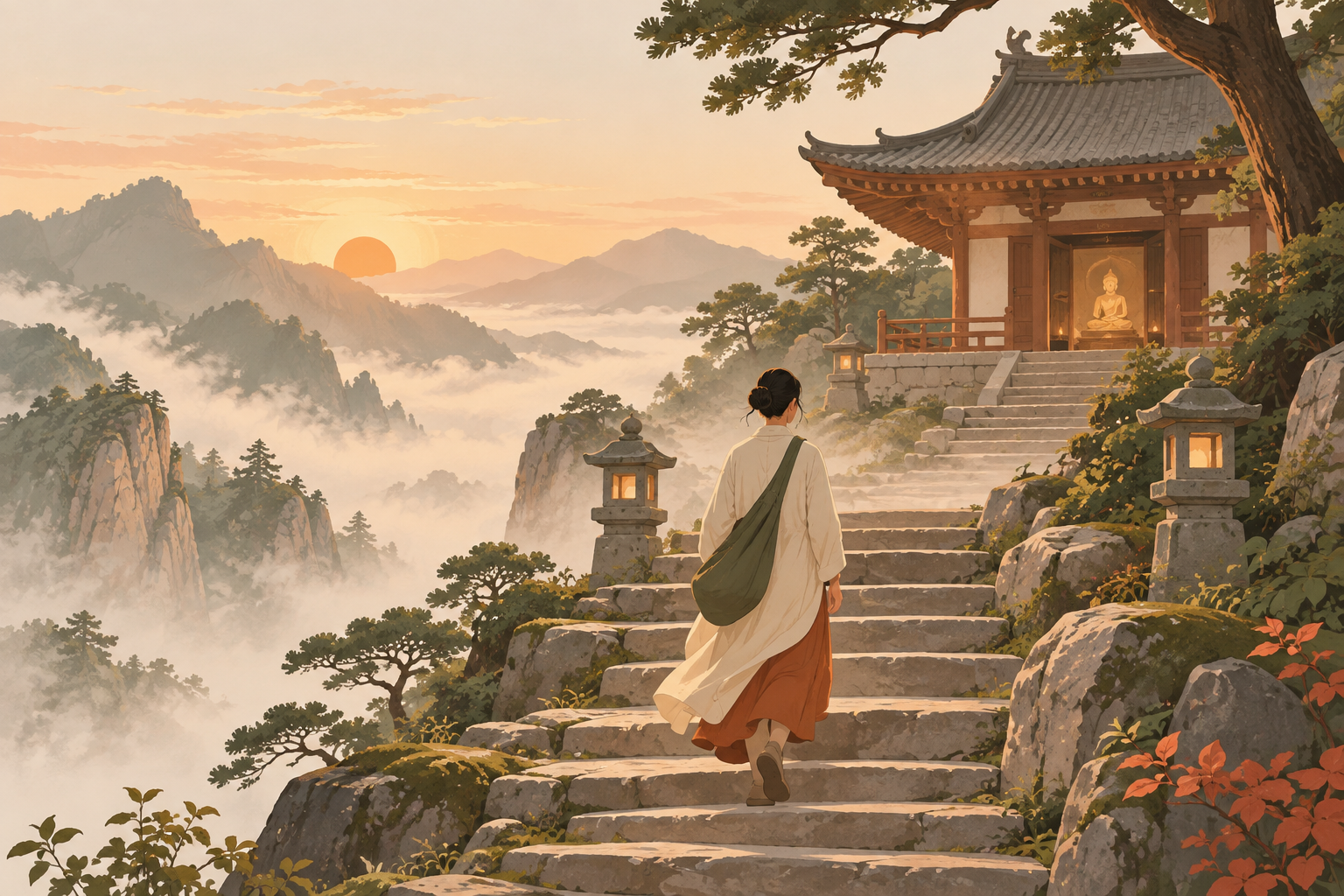
For people who have thought it through, one option is a place where you step away for a few days and meet the question through the body. What you understood only in words tends to flow away with the words.
When the rush of ordinary days returns, your view of life and death goes back on the shelf. This is not unusual.
Understanding only in the head
A view of life and death grasped in words thins out between meetings and dishes.
Keeping the fear at arm’s length
By not thinking, the question stays behind as tightness in the body.
Carrying it alone
The more you run the same question alone, the deeper the lap of anxiety gets.
Who is a body-based place suited to, and who should avoid it?
It suits people who have thought things through, can take the time, and are physically stable. It does not suit people in the middle of acute anxiety or illness, or people under a doctor’s care.
The yardsticks for choosing: the organizer’s background, fees and cancellation terms, follow-up after the program ends, and how intense the breathing practices are and whether someone accompanies you.
More on this in The limits of introspection and What changes after you come home.
Is it okay to jump straight into a three-day retreat?
Does the length of a retreat decide whether it’s safe?
Whether it’s okay isn’t decided by the number of days. What to look at is whether there is support after you return, and what happens if you become anxious partway through.
A short program with no follow-up can be harder than a longer one with a clear structure around it.
What does nehan’s program actually include?
nehan’s Journey to See the Life Review is three days and two nights in Kobuchizawa, Yamanashi. After you return, there is a 14-day period for carrying one change back into daily life.
If you’re unsure whether you can keep going partway through, or whether your health allows participation, you can ask at the assessment session in advance.
If you’re still on the fence, read the participant stories from people who started where you are, and use them to judge whether a place like this is right for you.
FAQ
Q: What is the difference between *shiseikan* and *seishikan*? A: The meaning is almost the same. In Japanese, the version that puts death first, *shiseikan*, is the one that has stuck.
More useful than the word order is noticing which of the two you are more strongly aware of.
Q: What is distinctive about the Japanese view of life and death? A: It doesn’t rest heavily on a specific religion. Its features are a sense of impermanence, a connection to ancestors, and a soft boundary between life and death.
Obon and memorial services are expressions of this.
Q: What should I do when fear of death keeps me from sleeping? A: If daily life is being affected, don’t keep thinking alone. Talk to a doctor, counselor, or other professional early.
The three questions in this article are for when your health is settled.
Q: Can I have a view of life and death without believing in a religion? A: Yes. A view of life and death is not faith. It is your stance on how to live once death is taken as a given.
You can borrow religious ideas as material without adopting them.
This article is general information and not medical advice. Results vary from person to person. If you have concerns about your health, please consult a professional.
FREE PROGRAM
A doorway to seeing your life anew — through the body
Add us on LINE to receive the free online lessons — the parts we couldn’t fit into this article.
Free to join, unsubscribe anytime. This is not medical treatment; results vary by individual.
Sources / References
- Wikipedia, “死生観” (Shiseikan)
- The University of Tokyo, Center for Death and Life Studies and Practical Ethics, “現代人と死生観――死生学とは何か?” (Modern People and Views of Life and Death: What Is Death Studies?)
- Social Inclusion Support Center, “Yorisoi Hotline” / Federation of Inochi no Denwa Inc.
- nehan public program overview, “Journey to See the Life Review” (走馬灯をみる旅)




